A calling that became our life
Swahili Coast Mission did not begin with a strategy or a five-year plan. It began with a calling that had been there for many years.
Ever since Linda was a child, she had dreamed about living in Africa, caring for children who had no one, and loving people others passed by. On her old blog she described the dream very simply: to live in Africa, be a mother to children who did not have one, and love the people no one else wants to love. That has remained one of the deepest threads in our life and ministry.
When we married, mission gradually became something we carried together. We served in Mozambique first, and over time we knew that God was preparing us for something more permanent. We were not looking for a short-term mission project. We wanted to give our lives to go where God was calling us, even if that meant starting again somewhere we knew no one.
At that time, God gave Linda a vision of the Swahili Coast.
At first, she was disappointed that we felt we were going to Kenya. Kenya seemed like a country full of missionaries already, and there was a strong desire in her to go where fewer people had gone before. But in prayer, God made it clear that much of the missionary work in Kenya had historically been concentrated farther inland, while the coast was different. It was the coast He was calling us to.
Years later, living here, we could see much more clearly what that meant. The coast has a very different history from western Kenya and the Nairobi area, and many communities here have had fewer schools, hospitals, resources and opportunities.
So we came to Kenya to look.
We rented a car and drove. We did not have a long list of contacts or a network waiting for us. On the fourth day, we came to Kilifi and both felt very strongly that this was the place.
We went back home, set up the ministry, packed our lives and moved to Mnarani, Kilifi, with our two small children. We knew no one. That was August 2016, and we came believing this was where God had asked us to stay.

Staying long enough to become part of people’s lives
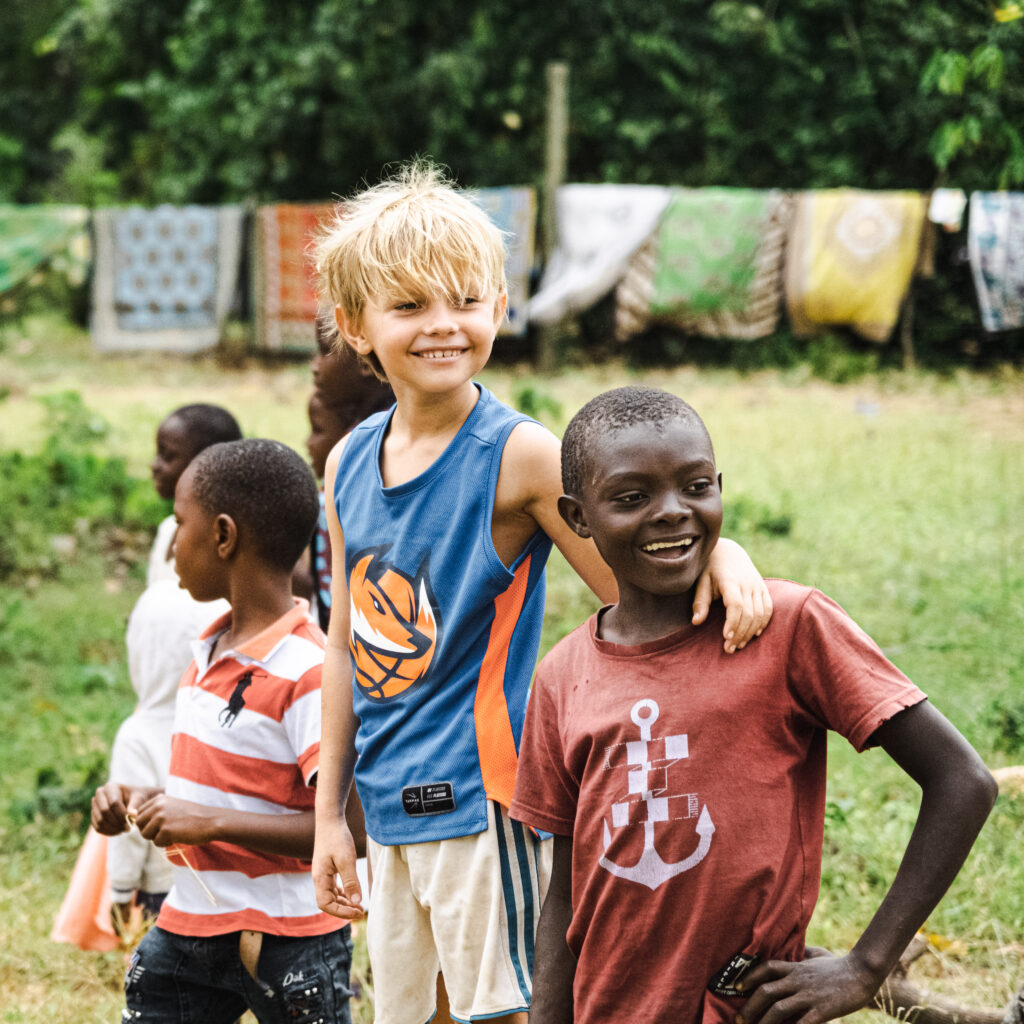
A lot of mission work can be measured in programmes, meetings and projects. For us, much of the most important ministry has simply come from staying.
When we first arrived, there was no large organisation around us. We started small, met people, visited homes, prayed with people and slowly became part of the community.
Some of the earliest stories on the blog are not polished ministry reports at all. They are stories of children coming to meetings in torn clothes, families with no food, people sick with fever, drought, hunger, and moments where the need around us felt overwhelming.
That is still much closer to how we understand ministry than any programme description. We want to live close enough to people to know what their lives are actually like. To know their children. To know when someone has lost work, when a marriage is struggling, when someone is sick, when a young person has dropped out of school, or when a family simply needs someone to stand with them.
That kind of relationship cannot be built during a short visit. It comes from staying.
We are doing this as a family
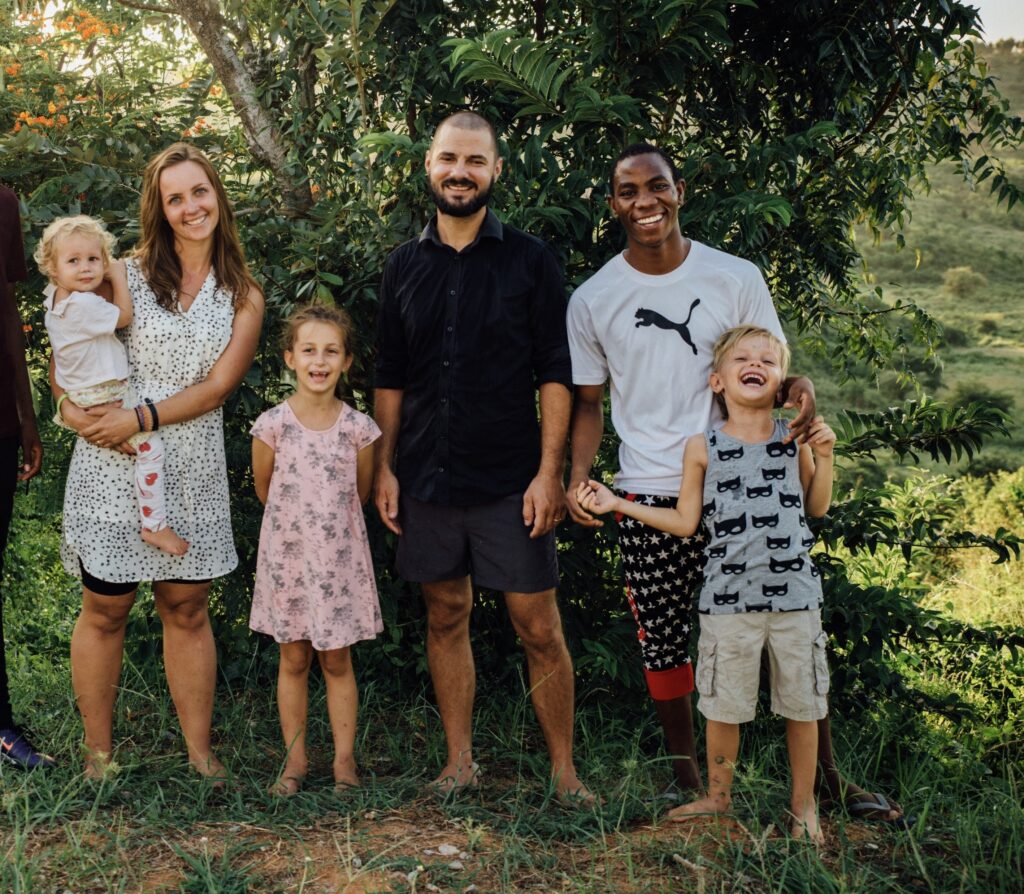
Something that has been part of our story from the very beginning is that we are doing this as a family. Our children have never just been tagging along on their parents’ calling. They have been part of it, and in many ways they have opened doors and reached people in ways we never could.
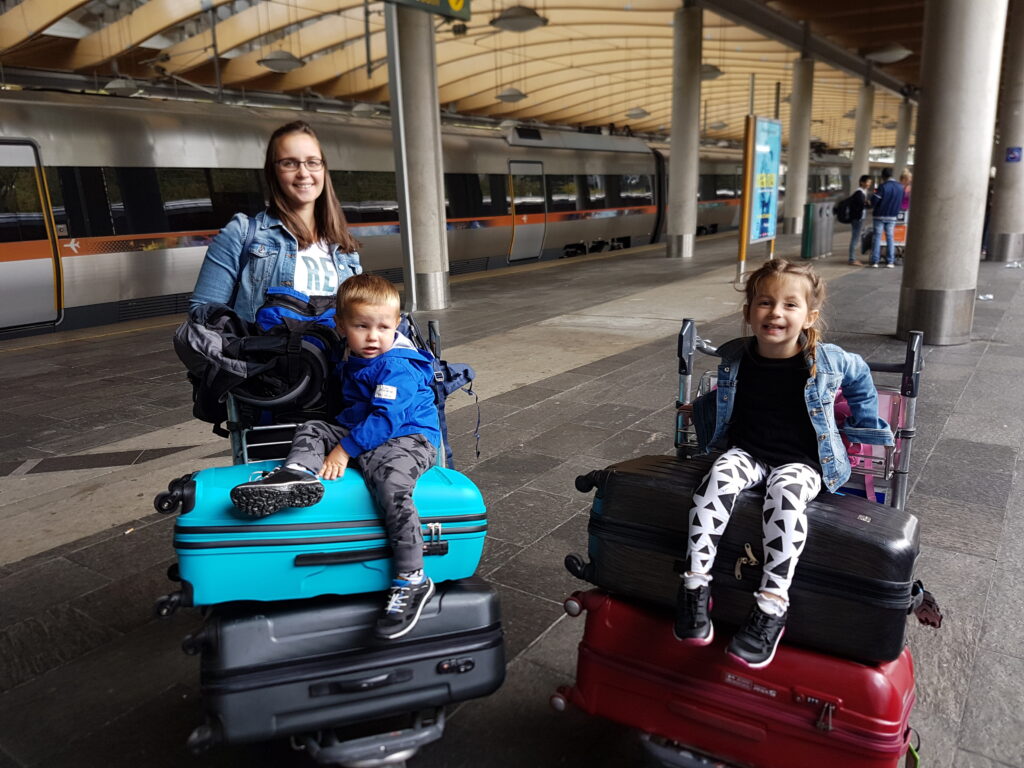
When we first arrived in Mnarani and prayed, asking God where we should begin, our daughter Esther was only four years old. She said she felt God tell her that we should start with the children at the garbage dump. That became one of those moments we have never forgotten. God was not only speaking to us as parents. He was speaking to our family.
Over the years, our children have grown up in the middle of ministry, friendships and everyday life here. They have their own relationships, their own influence and their own way of showing Jesus to the people around them. Watching the way they impact their friends has been one of the most meaningful and beautiful parts of this life. They are not just missionary kids. They are missionaries too, and this calling belongs to all of us.
The Gospel is the centre
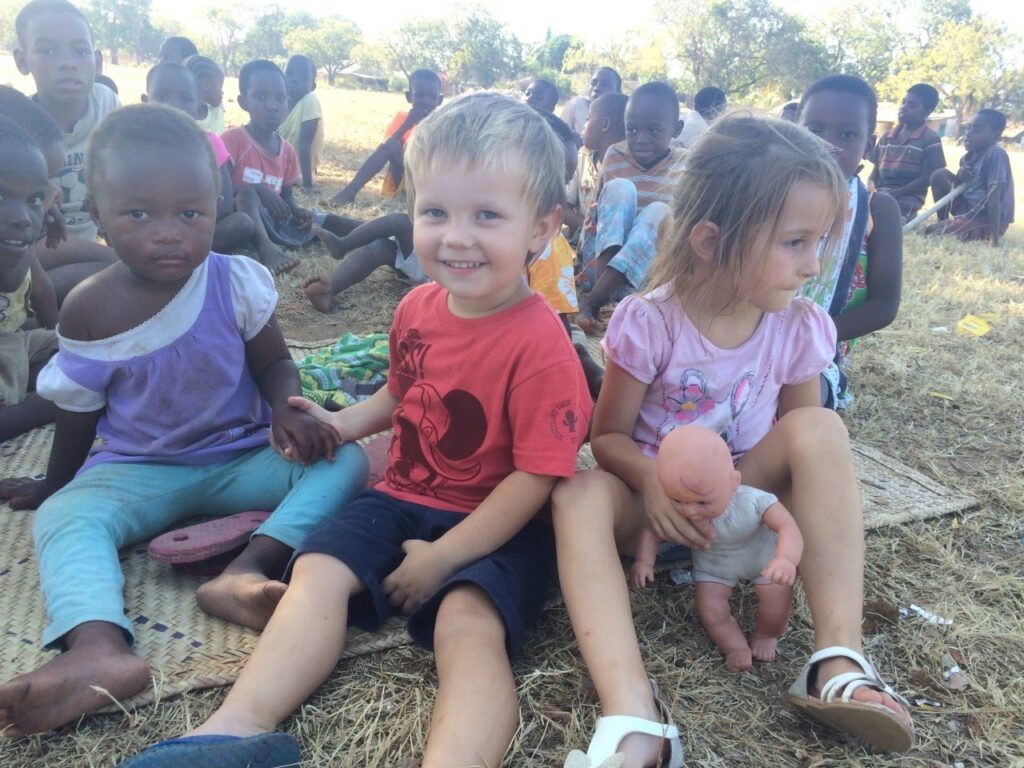
The heart of Swahili Coast Mission is not development work. It is the Gospel.
We want people to know Jesus, understand the Word of God and grow into disciples whose faith changes the way they live.
Over the years, we have learned more and more that helping someone with school fees, work or practical needs is valuable, but it is not enough on its own. People also need truth, discipleship, identity, character, responsibility and faith that can carry them through the difficult parts of life.
That is why the church has always been central. For us, the Gospel is not one department of the ministry. It is the foundation underneath everything else.
Going where the Gospel is less heard
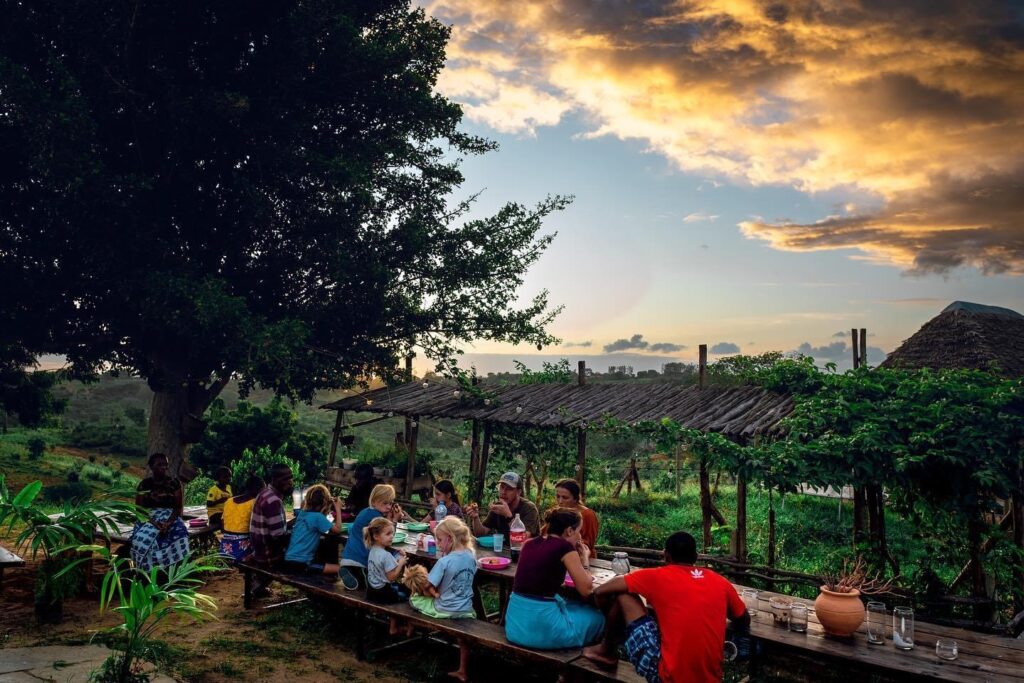
One of the strongest parts of our calling has always been to go where there is less Christian presence and where fewer people are going. That is why the Swahili Coast mattered so much from the beginning.
We do not mean that there are no churches here. There are. But there are also many communities where Christian witness is small, where pastors work with very few resources, and where people have had much less access to Christian teaching and discipleship than in other parts of Kenya.
We want to keep moving outward. That means evangelism, visiting communities, going into villages and bush areas, and taking teams with us when possible. But we are not interested in simply arriving, holding a meeting and disappearing. We want to build relationships.
Walking with churches along the coast
Today, an important part of our ministry is visiting churches along the coast and building relationships with pastors and congregations.
We preach and teach, but we also listen. We spend time with leaders, pray together, talk through challenges and return again. Some relationships start because someone invites us to preach. Others begin through friendships and grow slowly over the years.
We believe strongly in the local church. We do not want everything to depend on foreign missionaries or outside organisations. We want to strengthen local believers and local leaders so that they can reach their own communities and disciple the next generation.
That is also why teaching matters so much to us. We want believers to know the Bible well, understand what they believe and be equipped to live it out.
Faith that becomes something practical

We have never managed to divide life neatly into “spiritual” and “practical.” If someone comes to faith, it should affect how they work, how they treat their family, how they handle money, how they speak to people, and how they take responsibility for what God has given them.
This is one of the reasons the life and spirit of Hans Nielsen Hauge have resonated with us. His faith did not remain inside church meetings. It led to work, initiative, enterprise, responsibility and stronger communities.
There is something in that that feels very familiar to us. We preach and pray, but we also build. We teach the Bible, but we also care deeply about work and education. We want young people to know Jesus, but also to grow into adults who can take responsibility for their lives.
From mission to Neema Collective

Neema Collective was not something we sat down and planned from the beginning. It grew out of life around us.
Over the years we met people who needed more than emergency help. They needed work. They needed skills. They needed the chance to take responsibility and build something for themselves and their families.
Little by little, more practical initiatives began to grow. Today Neema Collective is a separate community organisation, but it has grown from many of the same relationships that SCM has been part of for years.
Swahili Coast Mission focuses on the Gospel, discipleship, churches and mission. Neema Collective focuses on work, enterprise, skills and community development. The two are not the same organisation, but they belong to the same story.
Mahanaim and making room for others to come

Another dream that grew over the years was to build a mission base where other people could come and be part of what God is doing here.
One of the dreams for the mission base was simply to make it easier for others to come — church groups, young people, families and teams — combining mission, evangelism, practical work, fellowship and time experiencing a different culture.
That dream became Mahanaim Mission Base. Today it is our base for ministry, visitors, prayer, training and everyday life.
We love having people come, not because we want to create mission tourism, but because we know what can happen when people step outside their normal life, meet believers from another culture, see both the beauty and the needs of the coast, and serve alongside people here.
We are still following

A lot has changed since we drove into Kilifi for the first time. What began with two small children and no local network has grown into churches, long-term friendships, teams, young people we have watched grow up, a mission base, Neema Collective and many things we could never have planned in the beginning.
But we do not want the story to become about what we have built. We want to keep asking the same question we asked at the beginning: Where is God calling us now?
There are still communities along the coast where the Gospel is little known. There are still pastors who need encouragement. There are still young people who need someone to believe in them and walk with them. There are still people who are easily passed by. And there are still places where someone needs to be willing to go first.
That is the life we said yes to. And we are still saying yes.
Pray. Give. Go.
Swahili Coast Mission is carried by people who pray with us, people who give, and people who are willing to come and serve.
If you would like to visit us, bring a team or find out more about serving alongside us on the coast, contact us at swahilicoastmission@gmail.com.